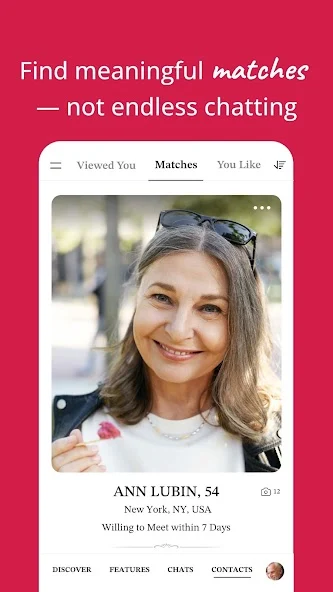
Use SilverSingles Login for an Existing Account
SilverSingles login is the route back to a profile you have already created. Use the sign-in button to open the supplied SilverSingles login destination. If you are returning on a different device, the first task is to identify your existing account rather than create another profile. The current official app guide describes account access across the website and mobile apps.
This page does not ask you to enter credentials. Keep your password and recovery codes inside the product's own sign-in and recovery process. If you have never joined the current service, registration is the appropriate route instead. Choosing the correct action at the outset can prevent confusion about where a profile or conversation has gone.
Identify the Account You Actually Used
Before retrying a password, check the account identifier you entered. People who use more than one email address may remember the password correctly but pair it with the wrong address. Review your own service messages if they help establish which address belongs to the account, without forwarding private messages or credentials to someone else for inspection.
Check simple entry mistakes: an extra space, a mistyped character, or an unexpected keyboard setting. If you use a password manager, confirm that its saved entry belongs to the intended service. A similar website name does not make a saved login valid for every page that contains the word SilverSingles.
Avoid repeated guesses if you cannot identify the correct details. Follow the current recovery process or contact product support. A duplicate registration can add another account to the confusion without restoring the original conversations or access you wanted.
Move Between App and Web Without Starting Again
The current public guide describes using an existing account on iPhone, Android, and the web. That can be convenient when you prefer a computer for writing and a phone for shorter visits. The change of screen should not itself require a new dating identity.
If you need the software, the iPhone page and Android page provide the relevant download routes. After installation, choose the option for an existing account. Review what the app presents rather than assuming a button's wording or position will match an older screenshot exactly.
If information appears different between devices, first confirm that you are signed into the same account and current product. Do not assume missing access is caused by the device alone. The app overview explains the platform relationship, while account-specific problems need the service's support team.
Recover Access Through the Current Service
If you have forgotten a password, use the recovery option offered on the actual login screen. Follow the instructions associated with your account and give any recovery message time to arrive. Check the appropriate email folders and confirm the address before requesting repeated messages.
Treat a password-reset message as sensitive. Do not share its link or code with a dating contact, a person claiming to help through chat, or this website. An unexpected request for a code is not part of getting to know another member. Recovery should restore your control of the account, not transfer control to someone else.
If the recovery route does not resolve the issue, contact official support with a concise description of the problem. You can describe the screen and error without supplying your password. Avoid including full payment details or identity documents unless the official secure process specifically explains why they are required.
If you attach a screenshot to an official support request, review it first for visible email addresses, private messages, recovery links, or payment information that is unrelated to the issue. A useful report identifies the problem clearly without exposing the rest of your account.
Older Accounts Need Careful Identification
The current official About page describes the service as built on a fresh foundation with an independent member database. That means historical instructions and account assumptions deserve care. An old account, saved bookmark, or earlier app version should not automatically be treated as identical to the current product.
If you are returning after a long absence, establish which service held the account you remember. Use the current provider's support channels for questions about access and any previous membership. This guide cannot promise migration, restoration, or continuity for an account it cannot inspect.
Do not purchase another subscription simply to test whether an old profile will reappear. First clarify the account issue. Our review separates evaluation of the current product from historical expectations, which is useful if you are deciding whether to join again after understanding your situation.
Distinguish Sign-In From Feature Access
Being able to log in does not mean every product function is available. Verification and membership can affect what happens next. If you can enter the account but cannot browse or communicate as expected, read the specific prompt rather than treating every limitation as a password problem.
The how-it-works guide explains the role of verification in the current experience. The membership page describes Standard and Silver Select. These are different questions: proving account access, completing a product requirement, and choosing paid features should not be confused with one another.
If you believe a purchase is not reflected in your account, keep the receipt and identify the billing provider. Contact the appropriate support route with the relevant non-sensitive details. Buying the same access again is not a reliable way to diagnose an account or billing mismatch.
Use Shared Devices With Deliberate Boundaries
On a device other people use, think about whether credentials are being saved and whether you remain signed in after closing a window. Sign out when you finish, and avoid leaving private conversations open. A browser tab disappearing is not always the same as ending a session.
If a friend or family member helps you navigate, you can accept practical assistance without sharing a password or giving them access to your messages. Ask them to explain the next step while you enter private information yourself. This keeps the account and your dating choices under your control.
The safety guide includes broader account and information boundaries. These habits are useful whether you are an experienced app user or trying an unfamiliar device. They are about privacy, not a judgment about anyone's age or competence.
Return to the Conversation You Want to Have
Once you are signed in, take a moment to orient yourself. Review the profile and conversations available in that account, and update anything that no longer reflects your circumstances. A return after several months may call for a different introduction from the one you wrote before a move, retirement, or a change in relationship goals.
You do not owe an immediate reply simply because you have regained access. Read what is there and respond where interest remains genuine. If you reconnect after a gap, a brief acknowledgment is often enough; you do not need to provide a detailed account of your absence to someone you barely know.
Use the login button when you are ready to return. If access remains unresolved, the next useful step is official account support rather than another guessed password or another profile. A clear account starting point makes it easier to focus on the connections you came back to explore.